


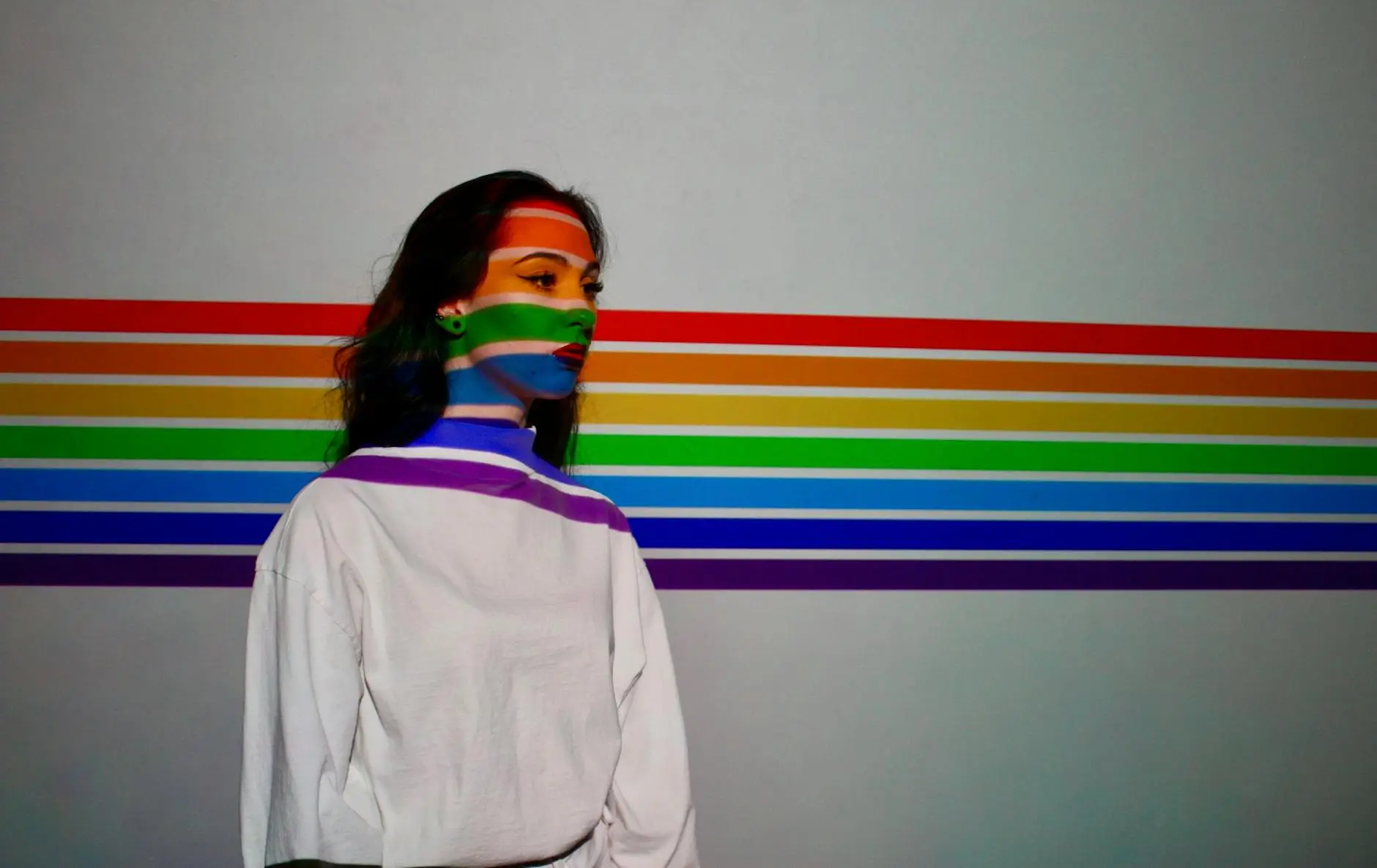
Introduction to Why Women-Only Queer Spaces Matter
Women-only queer spaces have played a crucial role in shaping the identities, histories, and futures of women-loving-women (WLW) communities. Whether physical or digital, these spaces offer safety, empowerment, and connection. In the first 10% of this article, we highlight the heart of our focus keyword: Why Women-Only Queer Spaces Matter, not just as community hubs, but as catalysts for identity formation and personal growth. For decades, queer women have fought to create environments where they can share experiences, find support, and build relationships without fear of judgment. These spaces matter because they cultivate understanding, protect marginalized voices, and reinforce the power of collective belonging.
Understanding the Concept of Women-Only Queer Spaces
Defining Women-Loving-Women (WLW) Communities
WLW refers to women who experience romantic or sexual attraction to other women. This includes lesbians, queer women, bi women, pan women, sapphic women, and others across a spectrum of identities. WLW communities are incredibly diverse, and women-only queer spaces aim to bring people together under shared experiences and struggles.
What Makes a Space “Women-Only”?
A women-only queer space is defined by intentionality. It is built to be safe, inclusive, and identity-centered. These spaces can be:
- Physical locations like bars, cafés, or bookstores
- Online communities and forums
- Support groups
- Social clubs and event collectives
What matters most is the community agreement: the purpose is to uplift and protect women within the queer spectrum.
The Deep Historical Roots of WLW Community Spaces
Early Lesbian Bars and Underground Networks
In the early 20th century, queer women had almost no public spaces where they could freely express themselves. Many WLW relationships existed behind closed doors because same-sex attraction was criminalized or socially dangerous. As a result, early lesbian bars and hidden social circles emerged as lifelines.
These underground venues weren’t just places to grab a drink—they were secret hubs of identity exploration. They offered refuge from an outside world that often misunderstood or rejected queer women. These bars became cornerstones of community culture, helping shape WLW identity at a time when visibility was rare.
The Role of Queer Women in the Feminist Movement
By the 1960s and 70s, queer women became central figures in the feminist movement. Groups like the Lavender Menace publicly challenged mainstream feminism to include lesbian issues. Women-only queer spaces during this era weren’t merely social, they were political. They provided rooms where strategy meetings, consciousness-raising circles, and organizing took place.
These spaces helped queer women demand representation within broader feminist struggles, and they also nurtured leadership skills for generations of activists.
How Women-Only Queer Spaces Evolved Over Decades
From feminist bookstores to queer women’s cafés to outdoor festivals like the Michigan Womyn’s Festival, WLW spaces expanded into cultural and artistic movements. They became homes for poetry readings, workshops, activism, and community education.
Over time, these spaces transformed from underground networks into celebrated cultural landmarks, each one contributing to the evolving story of queer women worldwide.
Why Women-Only Queer Spaces Matter Today
Women-only queer spaces matter today more than ever. Despite growing mainstream LGBTQ+ visibility, queer women still face unique challenges such as erasure, fetishization, and discrimination. This is why Women-Only Queer Spaces Matter, not because they isolate, but because they empower.
Safety, Empowerment, and Emotional Belonging
Women deserve places where their voices are heard and their identities are affirmed. Safe spaces help WLW people feel understood without judgment or pressure. Many queer women report that community spaces are the first environments where they could come out safely.
These spaces foster empowerment by letting women share stories, seek advice, and form meaningful bonds. They’re not just safe, they’re healing.
Representation and Identity Validation
Representation matters deeply. In a world where queer media still skews toward gay men, WLW spaces ensure queer women see themselves reflected in leadership, storytelling, and community culture.
These spaces validate identities that society often ignores or misrepresents, and that validation builds confidence and belonging.
Mental Health Benefits of Queer Women’s Communities
Research consistently shows that LGBTQ+ people experience higher rates of isolation and depression due to stigma. Women-only queer communities reduce these risks by:
- Cultivating friendships
- Encouraging open dialogue
- Providing emotional support
- Reducing loneliness
Supportive environments can be life-changing, and in many cases, life-saving.
Modern Challenges Facing WLW Communities
While women-only queer spaces are still essential, they face growing obstacles in the modern world.
Digital Harassment and Loss of Safe Spaces
As queer communities move online, harassment has unfortunately followed. Trolls, impersonation, and safety threats can make digital WLW spaces feel hostile. Many queer women find themselves needing moderated or private communities to feel protected.
Inclusivity Debates and Intersectional Issues
Modern queer spaces must navigate important conversations about trans inclusion, race, disability, and class. Some historical women-only spaces excluded trans women or women of color, which caused lasting harm.
Today’s WLW communities strive to be intersectional, recognizing that queer women are not a monolith. Welcoming diverse experiences creates stronger, healthier spaces.
Gentrification and the Closing of Lesbian Bars
Across the world, lesbian bars have shut down due to rising rents, changing nightlife trends, and competition with mixed-gender queer spaces. This decline has left many WLW communities without physical meeting places.
With fewer real-world spaces, the need for online communities has grown stronger than ever.
The Future of Women-Only Queer Communities
Rebuilding Digital Spaces for WLW People
The future is digital, and WLW communities are adapting. Secure apps, private forums, niche social networks, and curated online communities are becoming modern equivalents of lesbian bars. These new spaces focus on safety, inclusivity, and community-building.
Community-Led Initiatives and Creative Solutions
Queer women are creating alternatives such as:
- Pop-up events
- Traveling lesbian parties
- Queer women’s retreats
- Book clubs and meet-ups
- Online workshops and support groups
These grassroots efforts keep the spirit of WLW community life alive.
Supporting Trans and Nonbinary Members
The strongest queer communities are inclusive ones. Modern WLW spaces increasingly acknowledge that trans women are women and that many nonbinary people have connections to WLW identities.
Expanding inclusivity strengthens solidarity and protects vulnerable members of the community.
How to Support or Start a Women-Only Queer Space
Online Community-Building Strategies
If you’re building a digital community, focus on:
- Clear community guidelines
- Active moderation
- Anonymous reporting tools
- Verified or vetted memberships
- Regular events or conversation prompts
These features promote safety and engagement.
Event Ideas and Safe-Meeting Best Practices
Online and offline events can include:
- Coffee meetups
- Book discussions
- Support circles
- Workshops
- Movie nights
- Creative art sessions
Always prioritize safety by choosing public venues, using event waivers, and having clear codes of conduct.
Funding, Partnerships, and Long-Term Growth
Sustainable WLW spaces often partner with:
- LGBTQ+ nonprofits
- Local businesses
- Feminist bookstores
- Community centers
Grants, donations, and Patreon-style membership models can also support growth.
Testimonials and Shared Experiences
Personal stories remind us why these communities matter. Many queer women describe their first WLW community as “home,” a place where they felt seen for the first time.
The Impact of Women-Only Queer Spaces on Identity
These communities help individuals understand their sexuality, connect with mentors, and find lifelong friendships. They shape identities in ways families, schools, or workplaces often cannot.
Frequently Asked Questions
1. Why are women-only queer spaces still important today?
Because WLW people continue to face erasure and discrimination, and safe spaces help protect mental health and identity.
2. Are trans women welcome in women-only queer spaces?I
n modern inclusive spaces—absolutely. Trans women are women and belong in WLW communities.
3. Why are lesbian bars disappearing?
High rent, gentrification, and nightlife changes have made it harder for lesbian bars to survive.
4. Can online communities replace physical spaces?
They can complement them, but physical spaces remain irreplaceable for bonding and activism.
5. How can I find women-only queer events?
Search local LGBTQ+ organizations, queer meetup groups, or WLW event pages online.
6. What makes a community space “safe”?
Clear rules, active moderation, inclusivity, and a culture of respect and protection.
(External resource: helpful LGBTQ+ community overview — https://www.glaad.org)
Conclusion: Why Women-Only Queer Spaces Matter Now More Than Ever
Women-only queer spaces continue to serve as powerful places of belonging, empowerment, and identity. In a world where WLW experiences can still be overlooked, these communities provide visibility, support, and joy. They remind us that queer women deserve not only safety, but celebration.
For more information on LGBTQ+ advocacy and community support, you can visit GLAAD, one of the leading global organizations promoting queer visibility and inclusion.
To learn more about our community, visit our WLW Community Guide page.

Get involved!
Comments